Winter family · also called Clear Winter

Bright Winter Color Analysis: Electric & Pure

Bright Winter — also called Clear Winter — carries the highest contrast and clarity of any season. It borders Spring, so a hint of warmth is tolerated, but purity is what defines you: electric blue, hot pink, bright emerald, and pure white. Muted, dusty shades do more damage to Bright Winter coloring than to any other type.

Not sure you're a Bright Winter? Take the quiz →

Drape test Hot Pink #E2307B Your signature shade

Tap a swatch to drape it

Color DNA

Where Bright Winter sits on the three dimensions of color

Temperature
Warm Cool
Value
Light Deep
Chroma Defining trait
Soft Bright

Contrast

Very High

Best metals

  • silver
  • white gold

Often confused with

Bright Spring

Bright Winter Colors

Bright Winter colors are the most saturated of all twelve types. Clarity is non-negotiable — every shade should look pure rather than blended.

Tap any color to copy its hex code

What Works on Bright Winter

The shades that make your skin look even and rested — and the ones that quietly work against you.

Colors That Flatter

  • Hot pink and vivid magenta
  • Electric blue and clear cobalt
  • Bright emerald and true turquoise
  • Bright violet and clear purple
  • Icy brights — aqua, periwinkle, and frost
  • Pure white and true black for maximum contrast

Colors to Avoid

  • Golden yellows and warm ochre
  • Rust and warm brick reds
  • Sage and other muted warm greens
  • Warm earth browns and olive
  • Camel, tan, and beige
  • Dusty, greyed-down blues that dull your clarity

Bright Winter Outfit Formulas

Ready-made combinations from your palette. Wear the first color as the base, the last one closest to your face.

High contrast

White, Electric Blue & Hot Pink

Maximum clarity. Clean white base, then two electric brights for impact.

Neutral + accent

Black & Fuchsia

Black holds the line while fuchsia carries the whole look.

Color block

Cobalt & Emerald

Two vivid cools blocked together — striking and modern.

Color block

Hot Pink & Turquoise

Playful, high-voltage contrast that only a Bright season can carry.

Tonal

Icy Lavender & Bright Violet

A softer Bright Winter moment — pale ice lifted by saturated violet.

Four rules to dress by

  1. 1Go high-contrast: crisp white with black or hot pink for instant impact.
  2. 2Keep colors clear and saturated — never dusty or muted.
  3. 3Let one bold statement color carry the outfit while neutrals support it.
  4. 4Silver, platinum, and cool-toned gems flatter your bright contrast.

Think you might be a Bright Winter?

One photo is all it takes. Get your exact type, your full palette, and see the colors on your own face.

Take the quiz

Celebrity Bright Winters

Style icons who share your color season.

  • Courteney Cox

  • Krysten Ritter

  • Megan Fox

  • Monica Bellucci

Bright Winter Physical Characteristics

Bright Winter coloring is the highest-contrast of all: bright eyes set against notably dark hair, with clear skin between them.

Bright Blue eye, typical of Bright Winter coloring
Bright Blue
Deep Brown eye, typical of Bright Winter coloring
Deep Brown
Soft Green eye, typical of Bright Winter coloring
Soft Green

Eyes

Bright green, bright blue, cyan, or turquoise, with a very sharp iris edge. This clarity is the defining feature of the season.

Skin

Olive or with cool blue undertones, from fair through to deep. Bright Winter skin has a clear, almost translucent quality rather than a muted one.
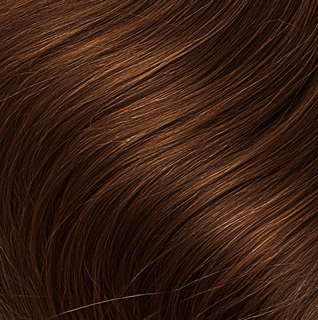
Medium Brown hair, typical of Bright Winter coloring
Medium Brown
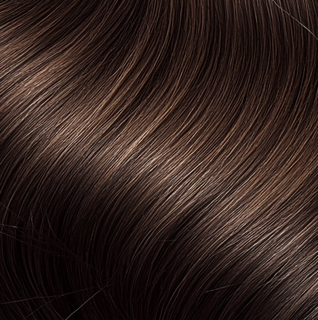
Dark Brown hair, typical of Bright Winter coloring
Dark Brown
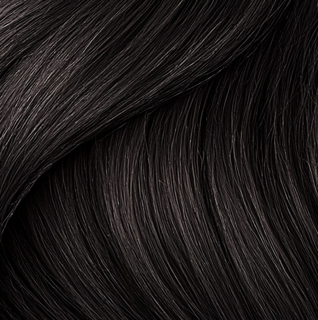
Jet Black hair, typical of Bright Winter coloring
Jet Black

Hair

Medium to dark brown or black. The gap between dark hair and bright eyes is what creates your exceptional contrast.

Bright Winter vs Bright Spring

Bright Winter

vs

Both are the brightest, highest-contrast types in the system, and both are ruined by muted or dusty shades.

Temperature separates them. Bright Winter leans cool: hot pink, electric blue, and pure white are yours. Bright Spring leans warm: bright coral, apple green, and warm white belong to them. The white test is the fastest — Bright Winters look crisp in optic white, Bright Springs look better in warm white.

Frequently Asked Questions

Is Bright Winter the same as Clear Winter?
Yes. Bright Winter and Clear Winter are two names for the same type. Both describe the Winter that borders Spring: cool-leaning, very high in contrast and defined by pure, saturated color such as hot pink, electric blue, bright emerald and icy periwinkle. "Clear" refers to the absence of grey, "Bright" to saturation, and they mean the same thing. Bright Winter is not the same as Cool Winter: Cool Winter is fully blue-based, while Bright Winter tolerates a hint of warmth and puts clarity first.
What's the difference between Bright Winter and Bright Spring?
Both are vivid and high-contrast, so brightness will not separate them — temperature will. Bright Winter is cool-neutral: hot pink, electric blue, and optic white suit you. Bright Spring is warm-neutral: bright coral, apple green, and warm white suit them. Comparing pure white against warm white beside your face is the clearest home test.
Can Bright Winters wear black?
Yes — black is a genuine best color for Bright Winter. Your extreme natural contrast matches its intensity, and black paired with a vivid accent like hot pink or electric blue is close to an ideal outfit formula for you. The only thing to avoid is all-black with no bright accent, which can read flat even on you.
What makeup colors are best for Bright Winter?
Bright, clear, and cool. Cool pink or bright berry blush, lipsticks in true red, hot pink, and clear fuchsia, and eye shadows in charcoal, bright teal, cool plum, and silver. Avoid every muted or earthy shade — soft taupes and warm bronzes look dull on you. Bright Winter is one of the few seasons that can carry a strong lip and defined liner easily.
Should Bright Winters wear gold or silver jewelry?
Silver, white gold, and platinum, in high-shine finishes that echo your clarity. Yellow gold looks warm and heavy against your coloring. Because your palette is so saturated, statement pieces work better on you than on most seasons. Diamonds, sapphire, emerald, and ruby all suit your intensity.
What hair colors suit Bright Winter?
Keep it dark and cool: dark brown, blue-black, and cool espresso. Depth is essential, because the contrast between dark hair and bright eyes is what defines your season. Avoid golden, caramel, and copper tones, and avoid going blonde — lightening your hair collapses the contrast that makes Bright Winter coloring work.
Can Bright Winters wear white?
Yes, and pure optic white is one of your strongest colors. It provides exactly the crisp contrast your coloring wants. Cream and ivory are the ones to skip — they look slightly muddy and dulled against clear cool skin.
What colors should Bright Winter avoid for interviews?
Avoid beige, camel, olive, and dusty blue — muted neutrals make you look washed out and, counterintuitively, less commanding. Black or charcoal with a crisp white shirt is your strongest professional look. If a touch of color is appropriate, a clear emerald or true red accent works in your favour.
Is Bright Winter a rare color season?
Bright Winter is one of the rarest types, because it requires genuinely bright, clear eyes set against dark hair — a striking combination that simply is not common. It is often confused with Cool Winter; the difference is that Bright Winter needs maximum clarity and can tolerate a slight warm lean, while Cool Winter is purely cool.
How reliable is seasonal color analysis?
Seasonal color analysis is a well-established framework rather than an exact science. Its three underlying dimensions, undertone, value, and chroma, are measurable properties of color, and the effect of a flattering shade on skin is genuinely visible. What varies is the judgement call: analysts can disagree on borderline cases, and lighting quality changes what you see. Treat your season as a reliable starting point that saves you from the worst mistakes, not as an unbreakable rule.
Why has seasonal color analysis become a global trend?
The system went mainstream with Carole Jackson's 1980 book Color Me Beautiful, faded, and then returned through social media, where before-and-after draping videos show the effect in seconds. It has also been boosted by the rise of considered, smaller wardrobes: knowing your palette means fewer impulse purchases and more items that actually work together. In South Korea in particular, personal color consulting became a mainstream service, and that popularity spread outward.
What is the science behind the four color seasons?
The four seasons map onto how light reflects off your skin. Skin contains melanin (yellow to brown), haemoglobin (red to blue), and carotene (yellow to orange), and the balance between them creates your undertone. A color worn near your face bounces light back onto your skin: a harmonious shade reinforces your natural tones and evens them out, while a clashing shade emphasises the contrast and highlights shadows, redness, and yellowness. The seasonal framework simply organises this effect into palettes that are easy to shop.

See yourself in Bright Winter colors

Upload one photo and get your complete Bright Winter palette, makeup shades, and color combinations — then preview yourself in a photoshoot, new hair color, or makeup on your real face.

Get my color analysis