
Body shape
Pear, hourglass and the rest compare your bust, waist and hip measurements. Kibbe looks at bones, flesh, face and overall line, and never uses a tape measure.
Body shape calculatorFree Kibbe test · 13 questions
Answer for your frame, body and face. You get your Kibbe type, how your answers split across the five families, and a full guide to the clothes that suit you.
Think of photos next to friends and how strangers describe you.
Answers stay in your browser.
The short answer
Kibbe body types come from stylist David Kibbe. Instead of measuring bust, waist and hips, the system reads your whole silhouette as a balance of yang (sharp, long, straight) and yin (soft, rounded, lush). That balance places you in one of ten types, from Dramatic, the most yang, to Romantic, the most yin. Each type has its own best lines, fabrics and details.
Kibbe decides the cut. Your color season decides the shade. You need both.
Kibbe reads four things
The ten types
Every type belongs to one of five image families. The family sets the basic line; the yin or yang modifier decides which of its two types you are. Ordered from most yang to most yin, each with its signature piece.
Sharp, long, narrow
Pure yang. Both types share a strong vertical line; Soft Dramatic adds curves.
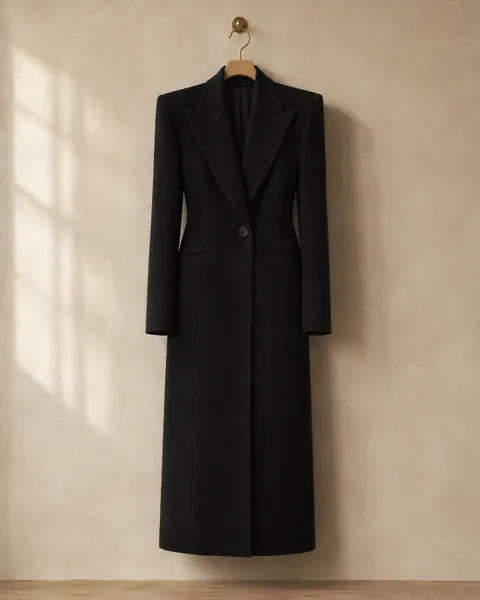 D Regal, striking, sleek Dramatic A long, narrow, sharp frame with taut lines. Your clothes should be just as clean: long columns, sharp tailoring and bold, geometric shapes.
Style guide
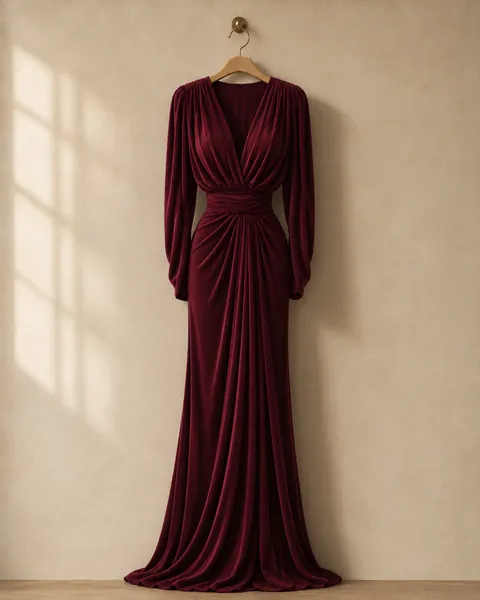 SD Glamorous, opulent, bold Soft Dramatic A long, strong frame softened by curves and lush features. Dress in long lines with a defined waist, rich draping and bold, generous details.
Style guide
Blunt, broad, relaxed
Soft yang. Both share slight width and an easy line; Soft Natural adds curves.
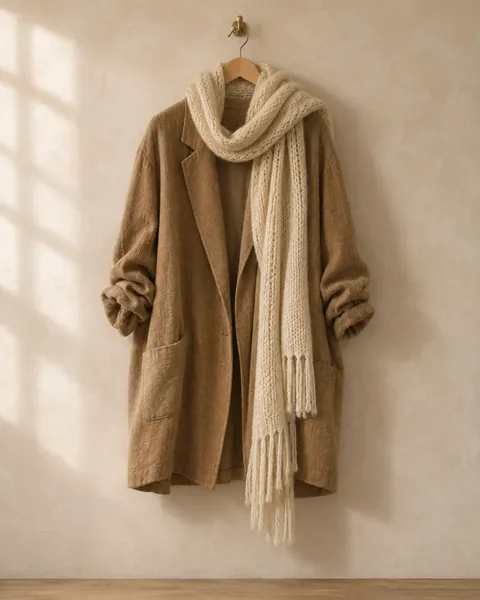 FN Effortless, earthy, bold Flamboyant Natural A long, broad, blunt frame with straight lines. Your best clothes are relaxed and unconstructed, with length, texture and room to move.
Style guide
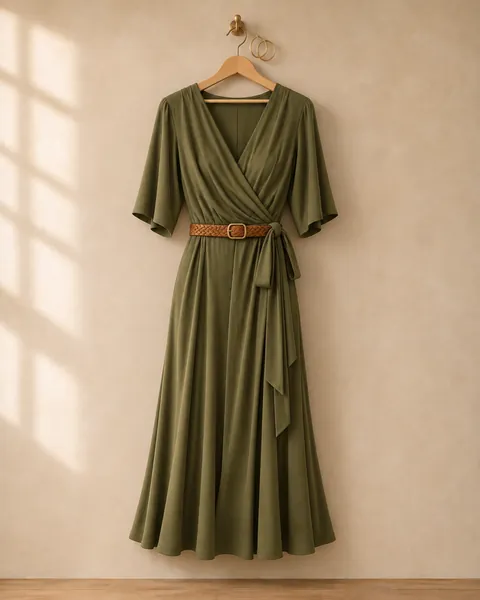 SN Gentle, free-spirited, warm Soft Natural A slightly broad, blunt frame with soft curves and no strong vertical. Wear relaxed, flowing pieces that still mark the waist.
Style guide
Balanced, symmetrical
Neither yin nor yang wins. Both share polish; the modifier tips it crisp or soft.
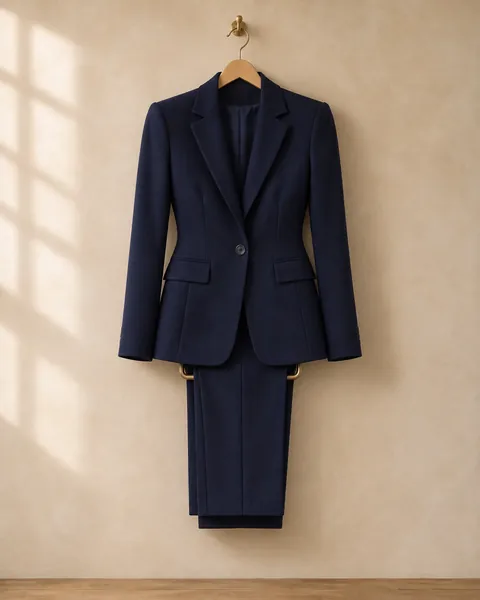 DC Refined, striking, composed Dramatic Classic A balanced, symmetrical frame with a crisp edge. Tailored, polished, matched pieces with clean lines suit you best.
Style guide
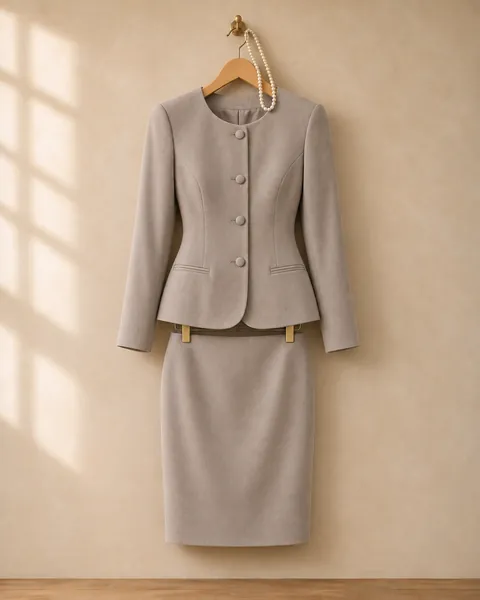 SC Graceful, elegant, gentle Soft Classic A balanced, symmetrical frame with gentle softness. Refined tailoring in soft fabrics with a light curve at the waist is your formula.
Style guide
Compact, mixed
Sharp and round side by side in a small frame. Both share a short, broken line.
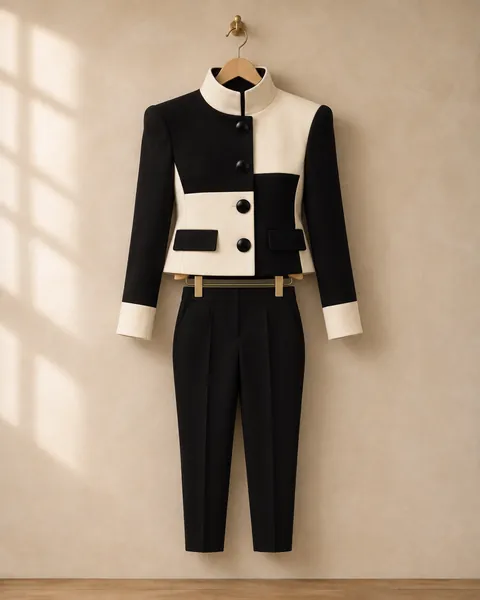 FG Spunky, energetic, bold Flamboyant Gamine A compact frame with sharp, straight lines. Cropped lengths, crisp tailoring and bold contrast make the most of your energy.
Style guide
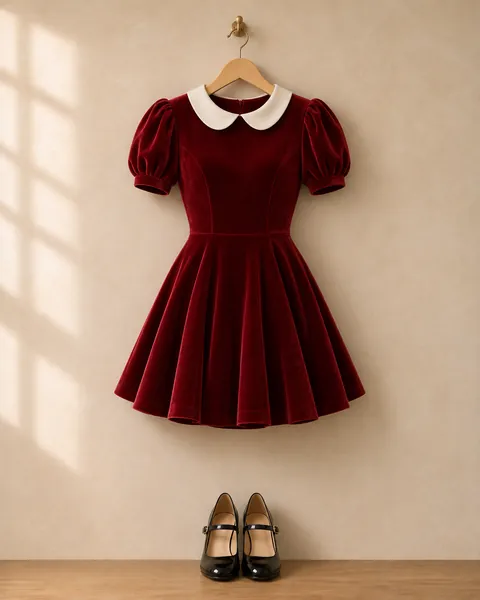 SG Bubbly, youthful, charming Soft Gamine A compact frame with curves and rounded details. Cropped, fitted pieces with a defined waist and playful detail work hardest for you.
Style guide
Soft, rounded, lush
Pure yin. Both share curves and delicate bones; Theatrical Romantic adds an edge.
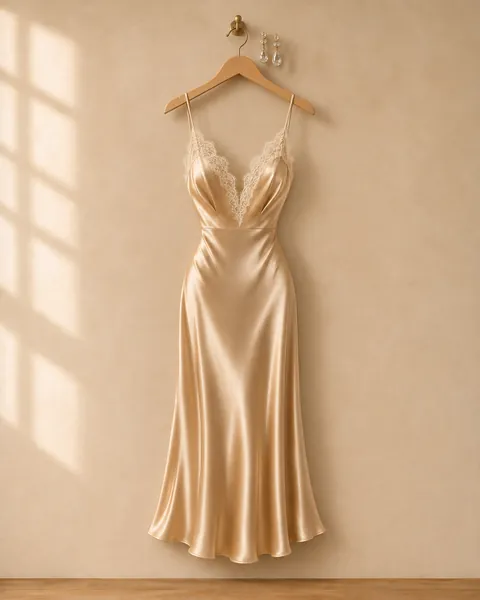 TR Glamorous, alluring, refined Theatrical Romantic Lush curves on a delicate frame with a sharp edge. Fitted, waist-defined glamour with refined, slightly angular detail is your look.
Style guide
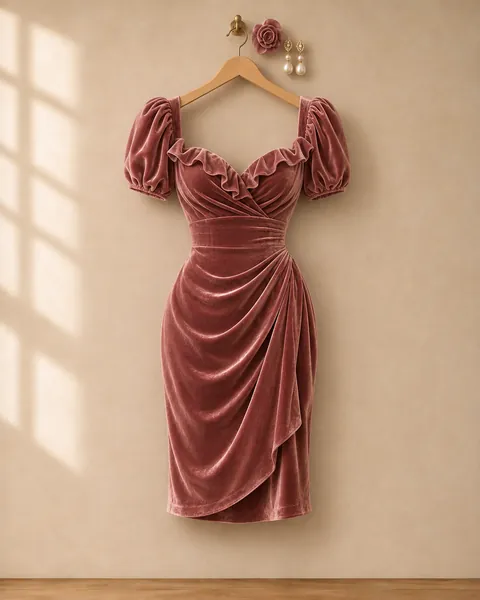 R Sensual, lush, feminine Romantic A soft, rounded frame with lush curves and delicate bones. Wear fitted, draped pieces that follow your curves, in soft fabrics with ornate detail.
Style guide
Side by side
Line, bones and flesh, with the one piece that defines each type.
| Type | Vertical line | Bones | Flesh | Signature piece |
|---|---|---|---|---|
| Dramatic D · Dramatic | Long | Narrow and sharp | Taut and straight | Long sharp blazer |
| Soft Dramatic SD · Dramatic | Long or large | Sharp and fairly wide: angular shoulders, a strong jaw or nose, long hands | Lush | Silk blouse |
| Flamboyant Natural FN · Natural | Long | Broad and blunt: wide or square shoulders, large hands and feet, a wide frame that is not angular | Straight | Oversized soft blazer |
| Dramatic Classic DC · Classic | Moderate | Symmetrical, with a slight sharpness: straight, tapered shoulders, defined but not extreme angles | Fairly straight | Tailored blazer |
| Flamboyant Gamine FG · Gamine | Short | Straight to slightly sharp: narrow or angular shoulders, slim limbs | Mostly straight | Cropped blazer |
| Soft Natural SN · Natural | Short to moderate | Slightly broad and blunt: shoulders a little wide or square, but not sharp, and not huge | Soft and curvy | Silk wrap blouse |
| Soft Classic SC · Classic | Moderate | Symmetrical and slightly rounded: evenly proportioned, tapered shoulders without sharp angles | Slightly soft | Soft-shoulder blazer |
| Soft Gamine SG · Gamine | Short | Small, mostly rounded, with a hint of sharpness somewhere: a nose, a jaw, a shoulder | Soft and curvy | Cropped tweed jacket |
| Theatrical Romantic TR · Romantic | Short to moderate | Delicate with a slight sharpness: small but angular shoulders, fine wrists, a defined jaw or nose | Lush and curvy, with a clearly defined waist | Fitted silk V-neck blouse |
| Romantic R · Romantic | Short to moderate | Small and rounded: sloped shoulders, small, soft hands and feet | Lush and curvy | Silk wrap blouse |
Before you answer
Self-typing is hard because we judge ourselves up close. Three habits make your answers far more reliable.
Kibbe looks at bone structure and the overall line. Think of how you looked at different weights and answer for what stayed the same.
Full-length photos from a few meters away show your vertical line and proportions better than a close look in the mirror.
Years of trying clothes on is real evidence. If tailored jackets always pull at the shoulders, that tells you something.
No black box
The quiz follows the current ten-type system and describes it in our own words. It is not affiliated with or endorsed by David Kibbe.
A perfect Soft Natural wrap dress in a shade that fights your undertone still looks off. One selfie gives you your color season and a palette to shop every Kibbe-friendly piece in.
Find my colorsCommon mix-ups
Three things people mix up with Kibbe, and how they fit together.
Pear, hourglass and the rest compare your bust, waist and hip measurements. Kibbe looks at bones, flesh, face and overall line, and never uses a tape measure.
Body shape calculatorYour season comes from undertone, depth and contrast across skin, hair and eyes. Kibbe picks the cut, your season picks the color. They are independent: any Kibbe type can be any season.
The 12 color seasonsKibbe’s original book used height ranges, but the current system types by the impression of length. Weight changes the flesh, not the bones underneath.
Myths
Height alone does not make you a Dramatic. A tall frame with soft curves can be Soft Dramatic; a tall, broad, blunt one is Flamboyant Natural. Read your bones, not the tape.
Small people land in every family. A petite frame with lush curves and rounded bones is usually Romantic or Theatrical Romantic, not Gamine.
Curves are yin flesh, but the bones decide the family. Curves on a slightly broad, blunt frame point to Soft Natural; on a long, strong frame to Soft Dramatic.
Middle answers feel safe, so many people drift to Classic. True balance is rare: if anything in your frame clearly tips sharp, blunt, compact or soft, follow it.
Gym shoulders are not broad bones and weight gain is not yin flesh. Answer for what stayed the same through every weight you have been.
Most people love a type’s clothes before checking its frame. Answer for your body first; you can borrow any type’s mood later through color and detail.
Keep going
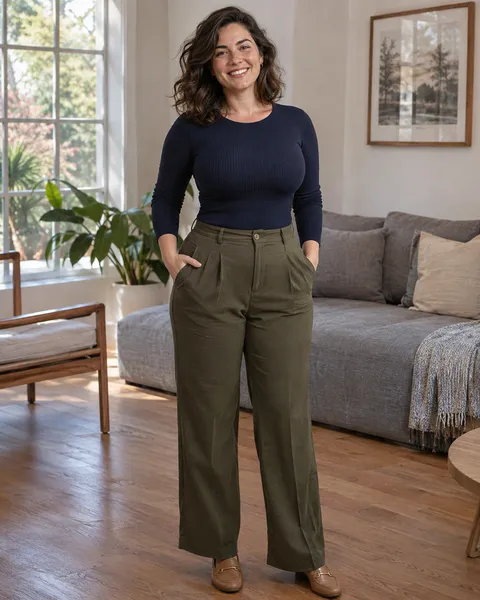 Body shape Five shapes, the cuts that flatter each
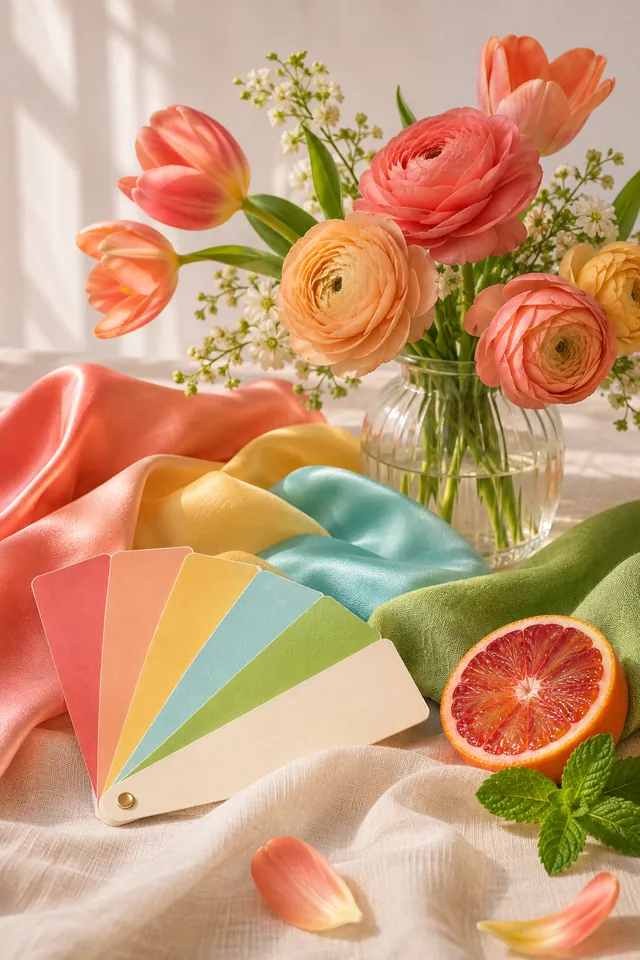 The 12 Color Seasons The complete guide to seasonal color analysis
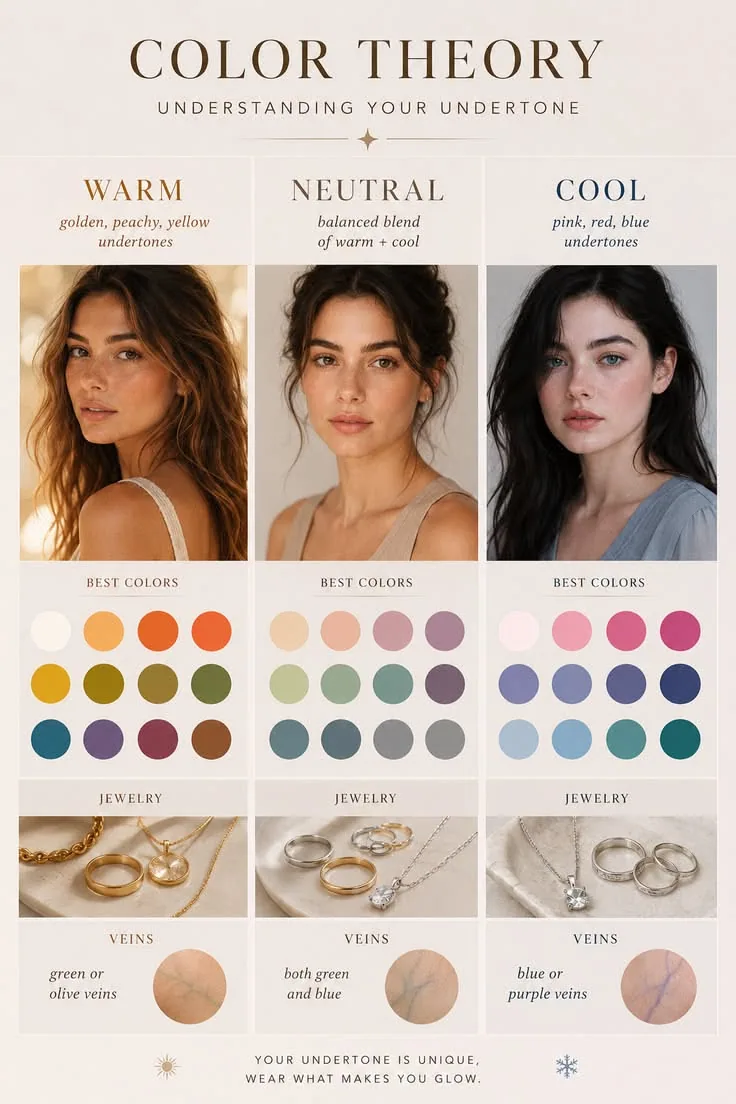 Skin undertone Warm, cool or neutral, and how to tell
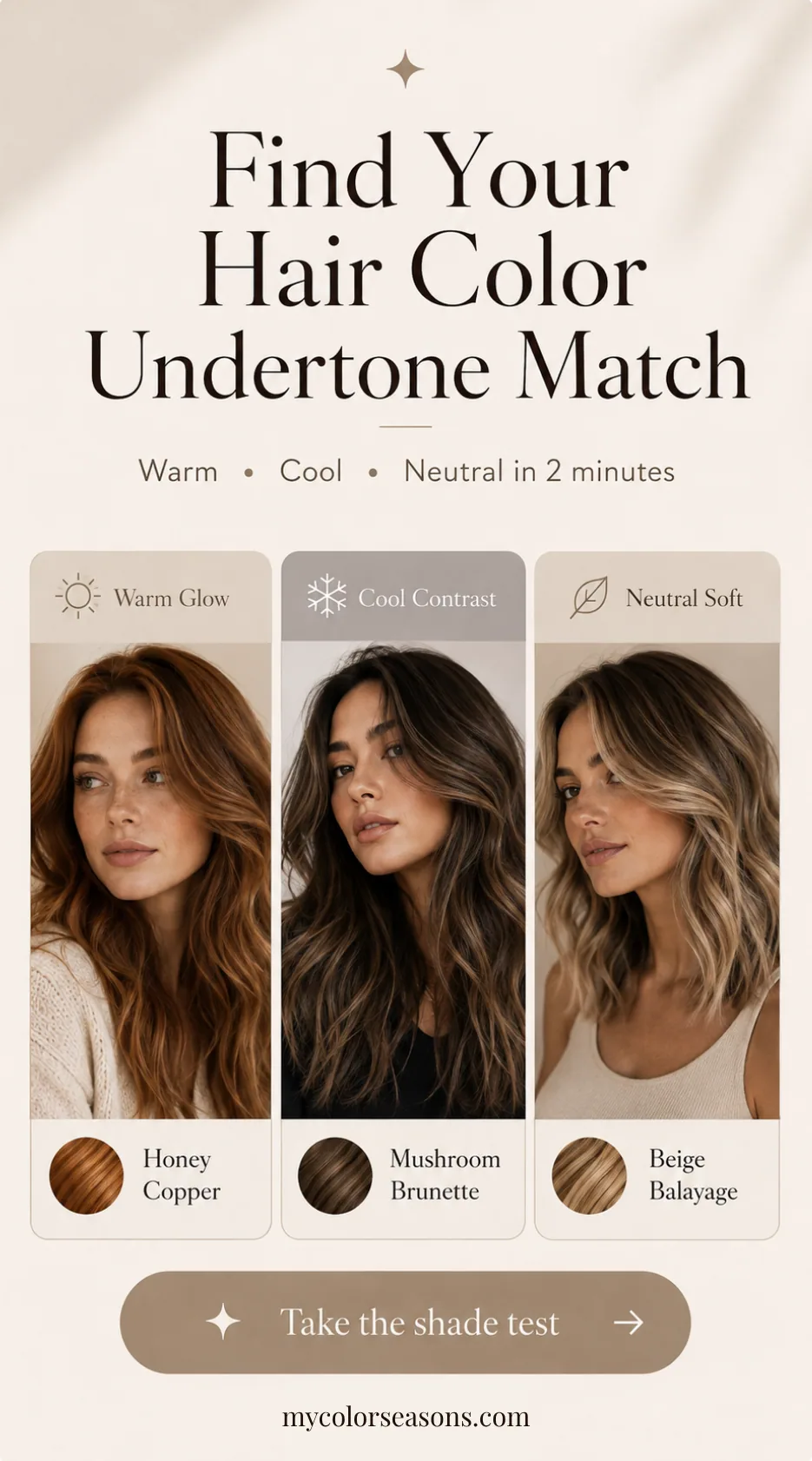 Hair color by season The shades that suit your coloring
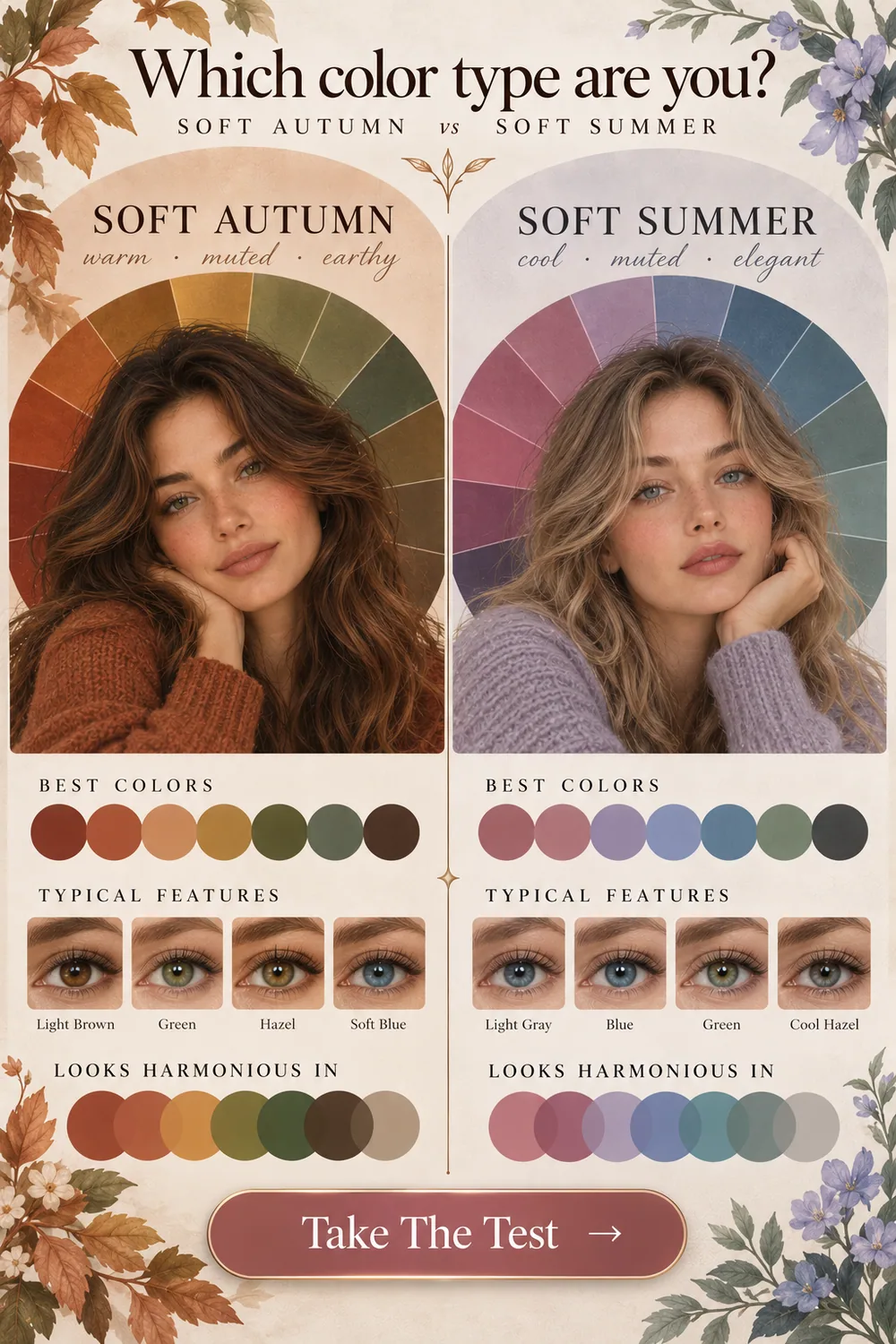 Palette comparisons Two seasons side by side
The AI reads your undertone, depth and contrast from one selfie and returns your color season with a full palette, so every piece that suits your Kibbe type comes in a shade that suits you too.
Get my color analysis