What is the difference between skin tone and skin undertone?
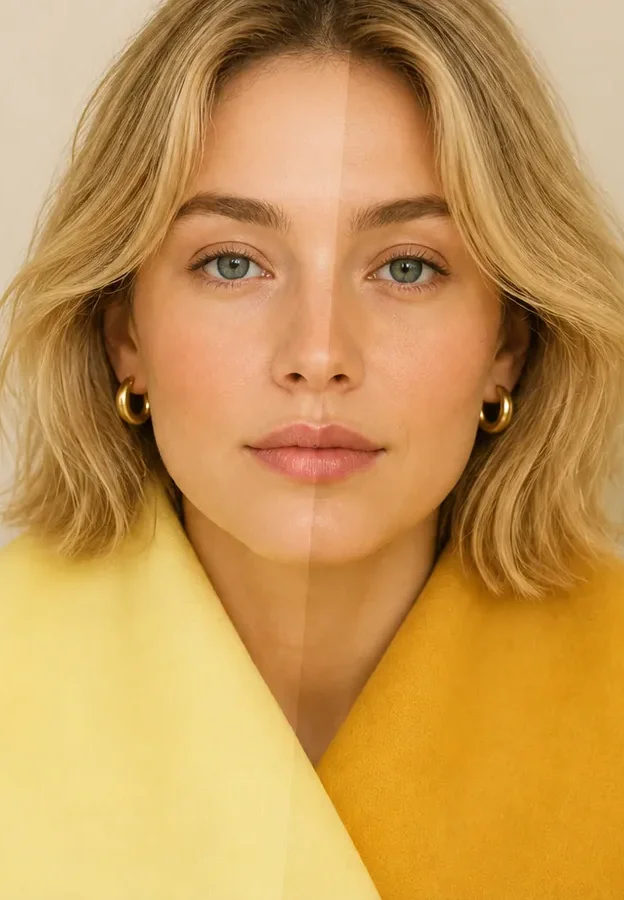
Skin tone is the surface color you can see, and it changes with sun, sleep and season. Undertone is the constant cast underneath it, and it does not change. Two people with very different skin tones can share an undertone, which is why a fair person and a deep person can belong to the same color season.
What is the most accurate way to find my undertone at home?
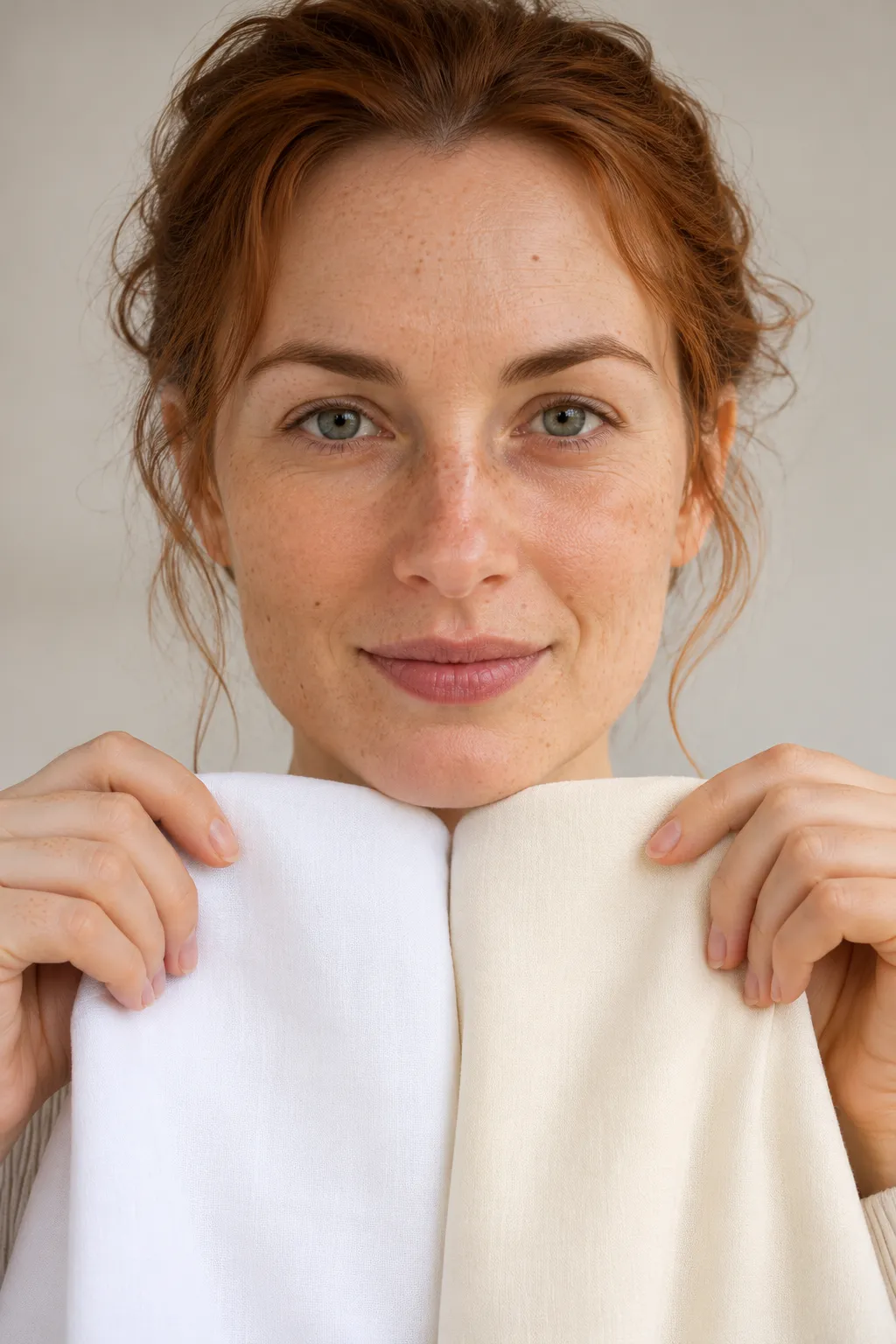
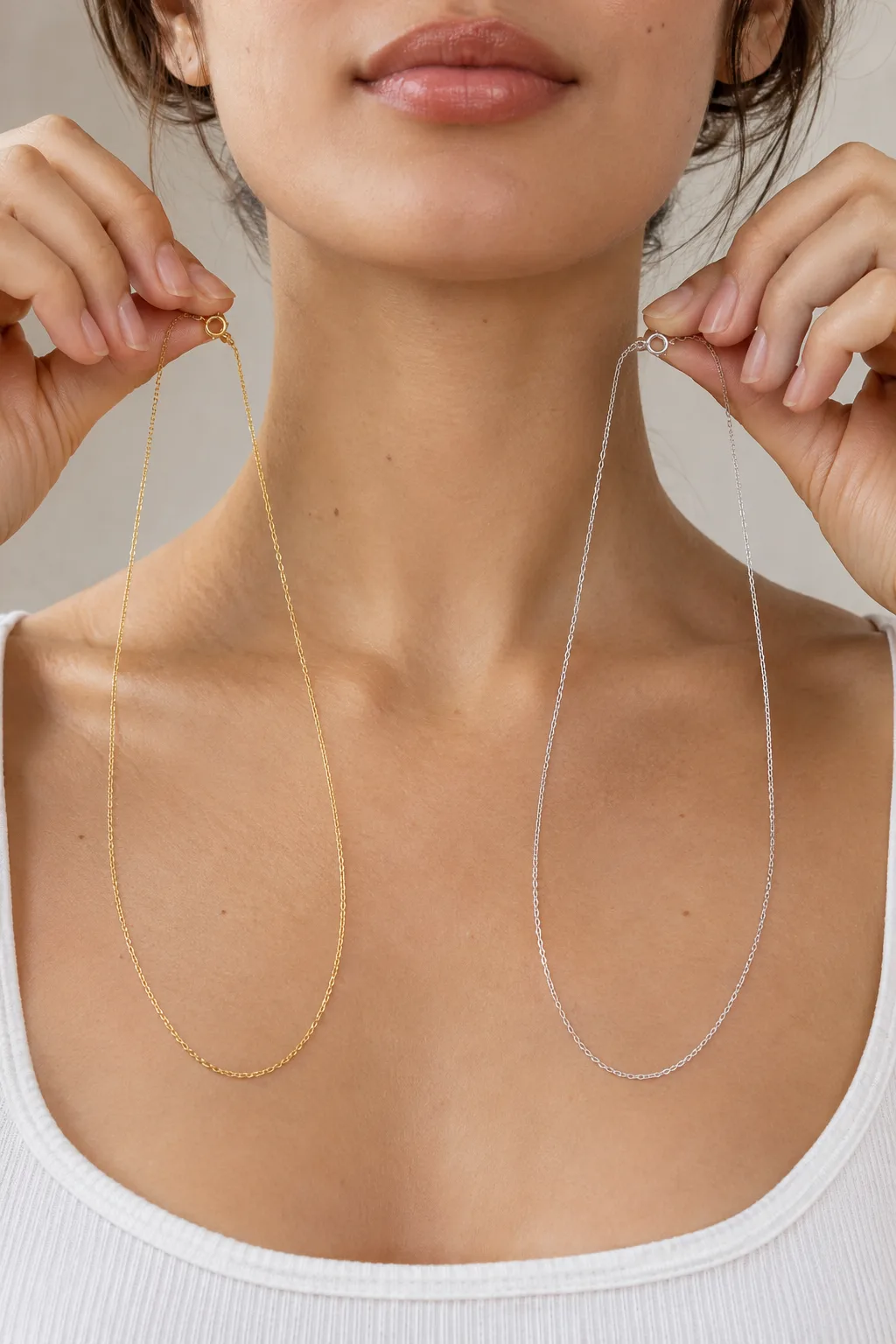
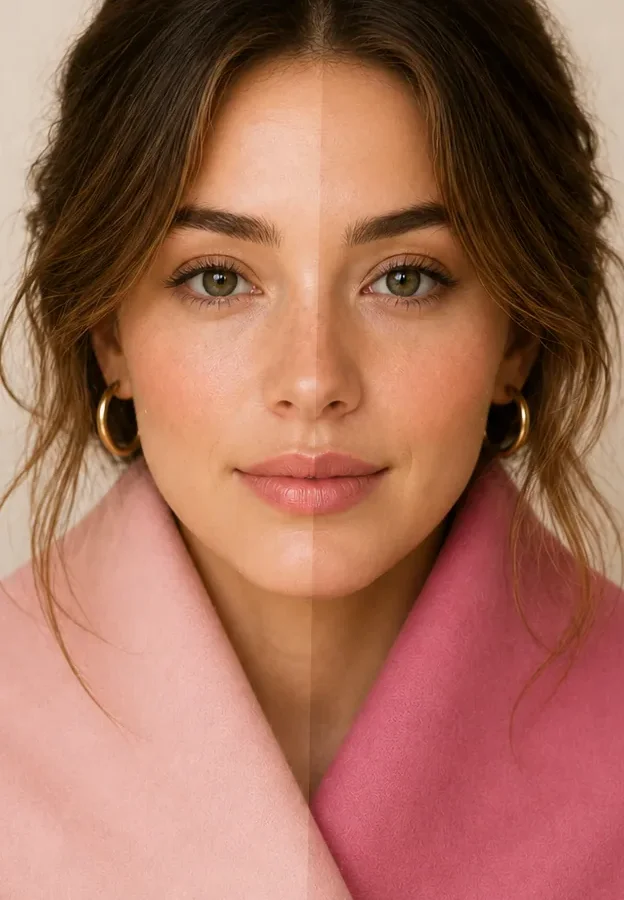
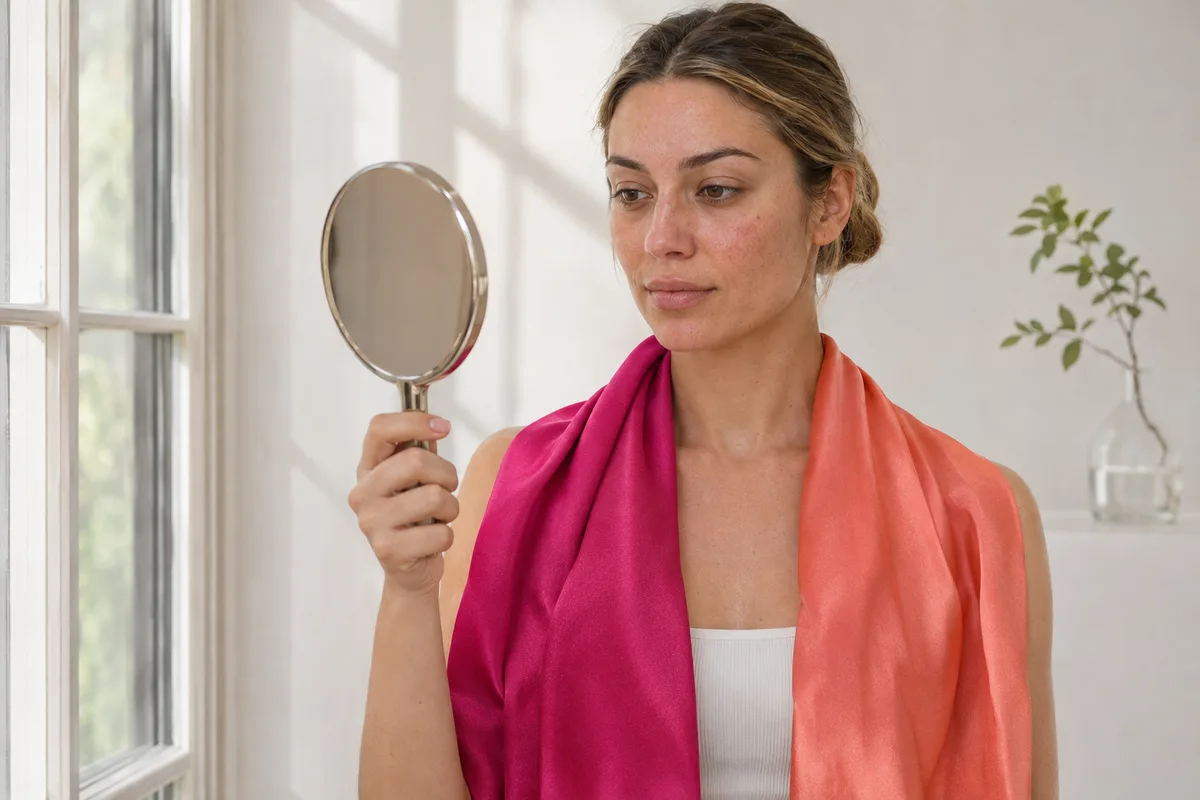
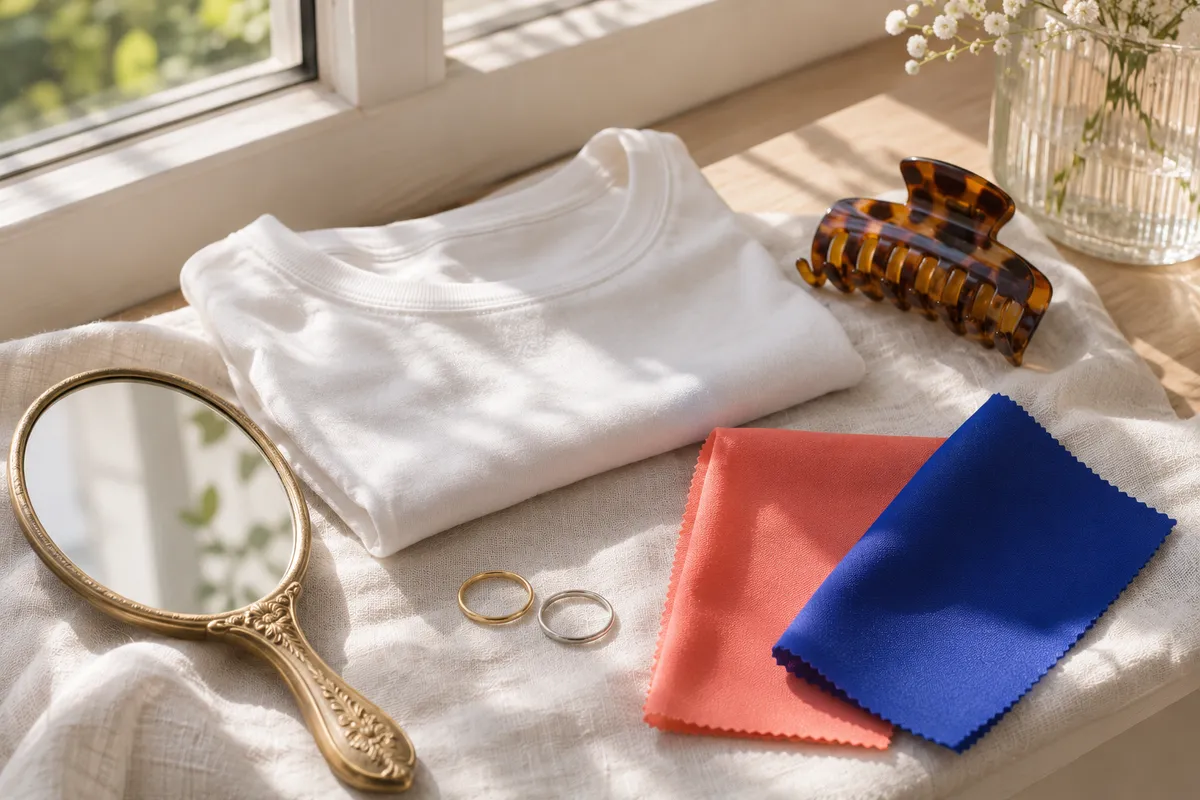
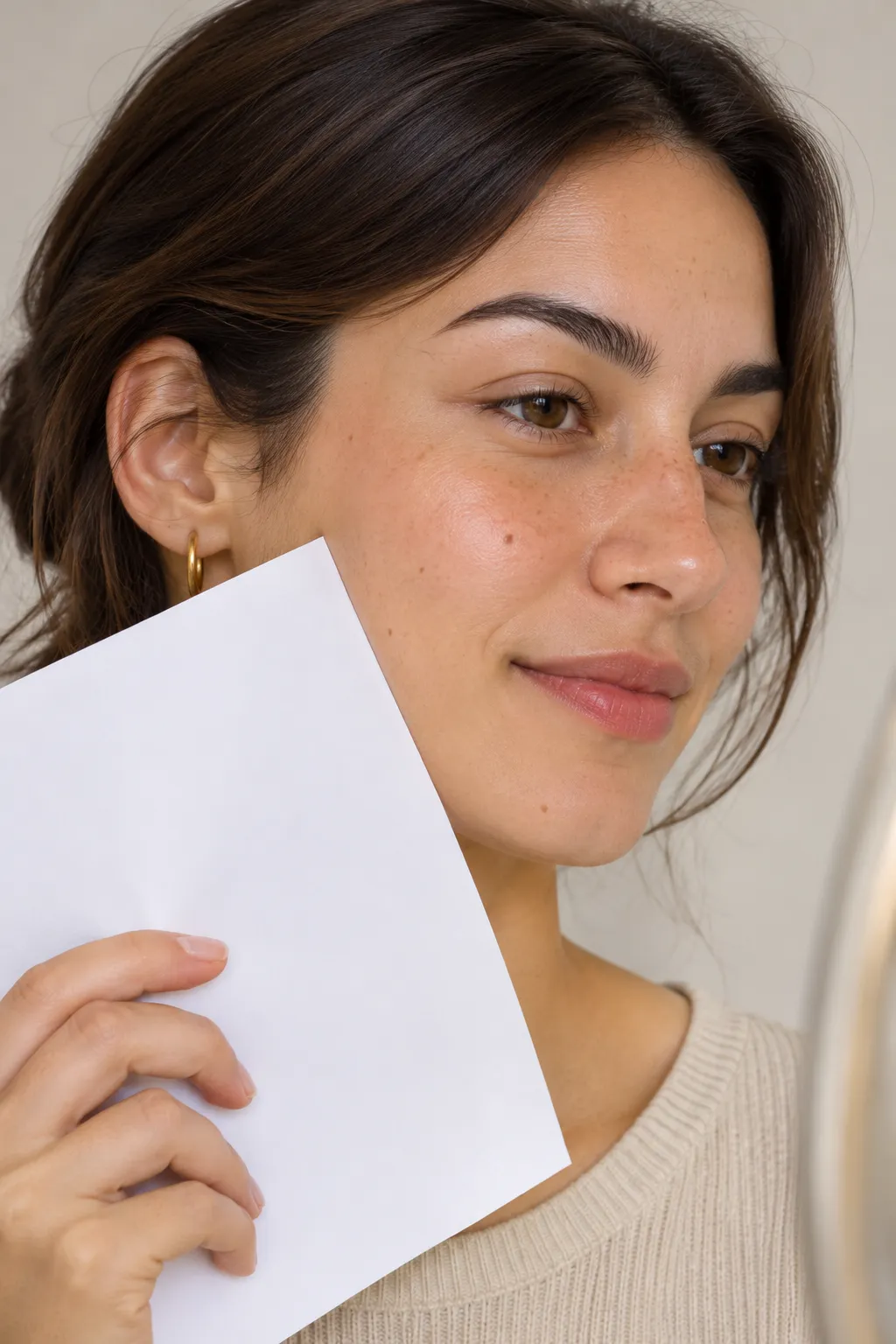
The color drape test. Holding coral or camel and then fuchsia or royal blue under your chin tests real colors against your face, which is what a professional draping session does. The white paper, white vs cream and gold vs silver checks are good supporting evidence, and the vein test is the weakest. Do all five in daylight and let the drape decide a tie.
What if the tests disagree with each other?
That is the single most common outcome. Before reading it as neutral, rule out the usual causes: indoor bulbs are yellow and push every result warm, makeup and self-tan add their own cast, and the vein test is unreliable on very fair and very deep skin. Redo the tests next to a window in daylight on a different day. If they still split, neutral is a reasonable working answer, but a photo analysis is the quicker way to confirm it.
How do I know if I have cool undertones?
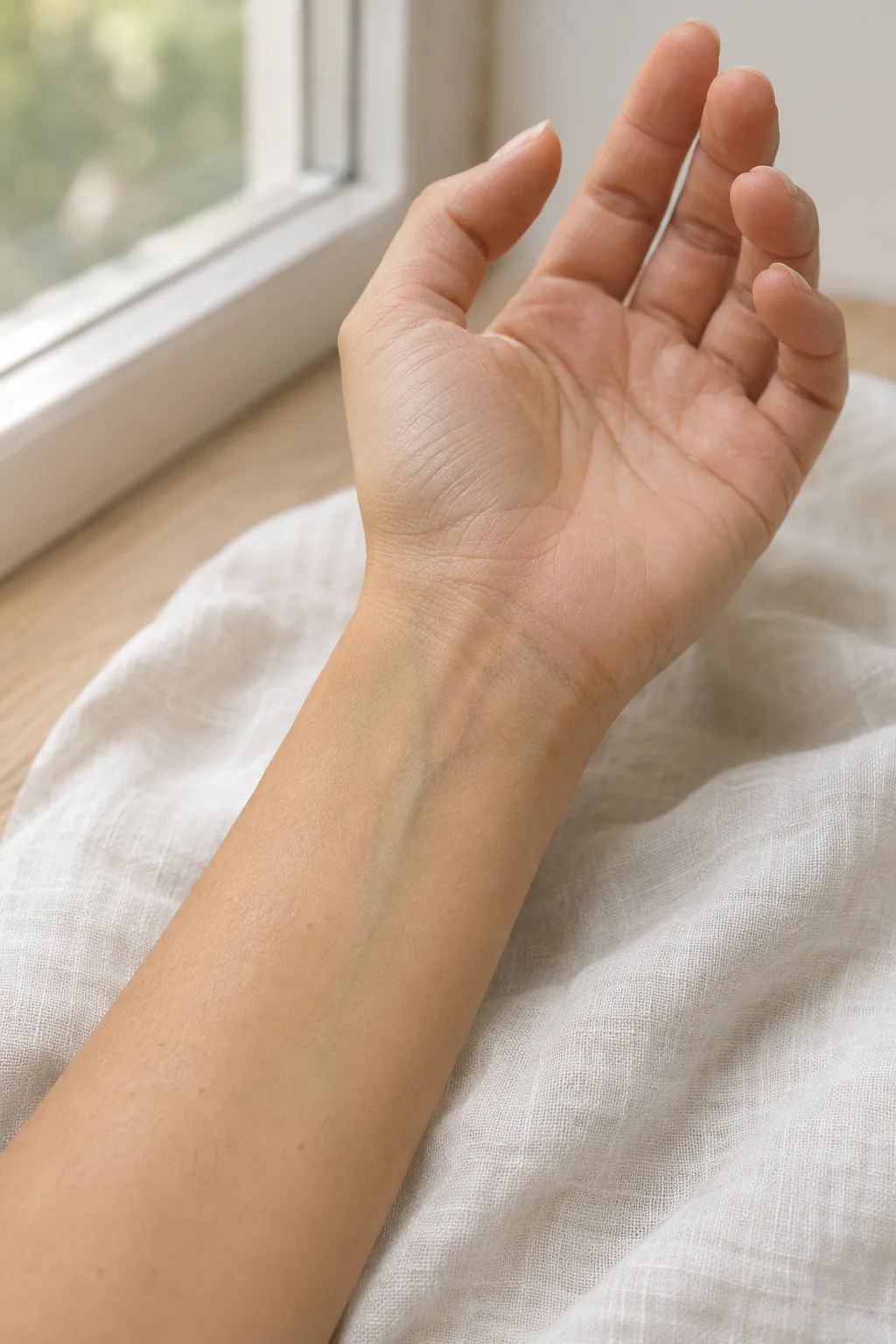
You likely have cool undertones if your skin looks pink or rosy next to white paper, silver jewelry looks crisper on you than gold, pure white flatters you more than cream, and fuchsia or royal blue makes your skin look clearer while coral and camel make it look sallow. Veins on the inner wrist often read blue or purple, though that sign is the weakest. When most of these point the same way, cool is your answer, and your season is one of the Summer or Winter types.
How do I know if I have warm undertones?
Warm undertones show as a golden, peachy or yellow cast next to white paper. Gold jewelry looks natural on you, cream flatters you more than stark white, and coral, camel and olive make your skin look even and healthy while fuchsia and icy pastels look harsh. Warm undertones point to the Spring and Autumn seasons.
How do I find my undertone if I have dark skin?
Use the same checks, but weight them differently. The vein test is hard to read on deep skin, and any white can look stark, so lean on the color drape and the gold vs silver test. Deep warm skin tends to look golden, red-brown or copper next to white paper; deep cool skin looks blue-red, plum or slightly ashy. Many deep-skinned people are Deep Autumn or Deep Winter, and the drape is the fastest way to tell those two apart.
How do I tell if my undertone is olive or neutral?
Olive is not a separate undertone but a green-khaki cast that sits on top of a warm, cool or neutral one, so you can be olive and neutral at the same time. Look for a khaki or grey-green tint along your jaw in daylight, and notice whether pink foundations look grey on you while peach ones turn orange: both point to an olive cast. Then run the jewelry and color drape tests to find the undertone underneath.
Can my skin undertone change over time?
No. Your surface tone shifts with sun exposure and age, but the undertone beneath it stays the same for life. If gold suddenly stops working for you, it is usually your hair color that changed rather than your undertone.
Can I tell my undertone from whether I tan or burn?
Not reliably. How easily you tan or burn depends mostly on how much melanin your skin makes and on your sun history, not on whether its undertone is warm or cool. Plenty of cool-undertoned people tan easily and plenty of warm-undertoned people burn. Use the color-based checks on this page instead.
Is undertone enough to find my color season?
No, it gets you halfway. Undertone splits the twelve seasons into warm and cool halves, but you still need depth (how light or dark your coloring is) and chroma (how bright or muted it is) to land on one of the twelve. That is what the photo analysis measures.

 1