
Light Summer Color Palette: The Complete 2026 Guide
Your complete light summer color palette guide: hex codes, traits, celebrity examples, plus clothing, makeup and hair advice that actually flatters.
You have spent years being told you’re ‘too pale’ for real color, so you default to whatever pastel is nearest on the rack and hope lightness alone is the safe choice. Then the same soft pink or baby blue washes you out anyway, and you’re left more confused than when you started, wondering if the problem is you or the color.
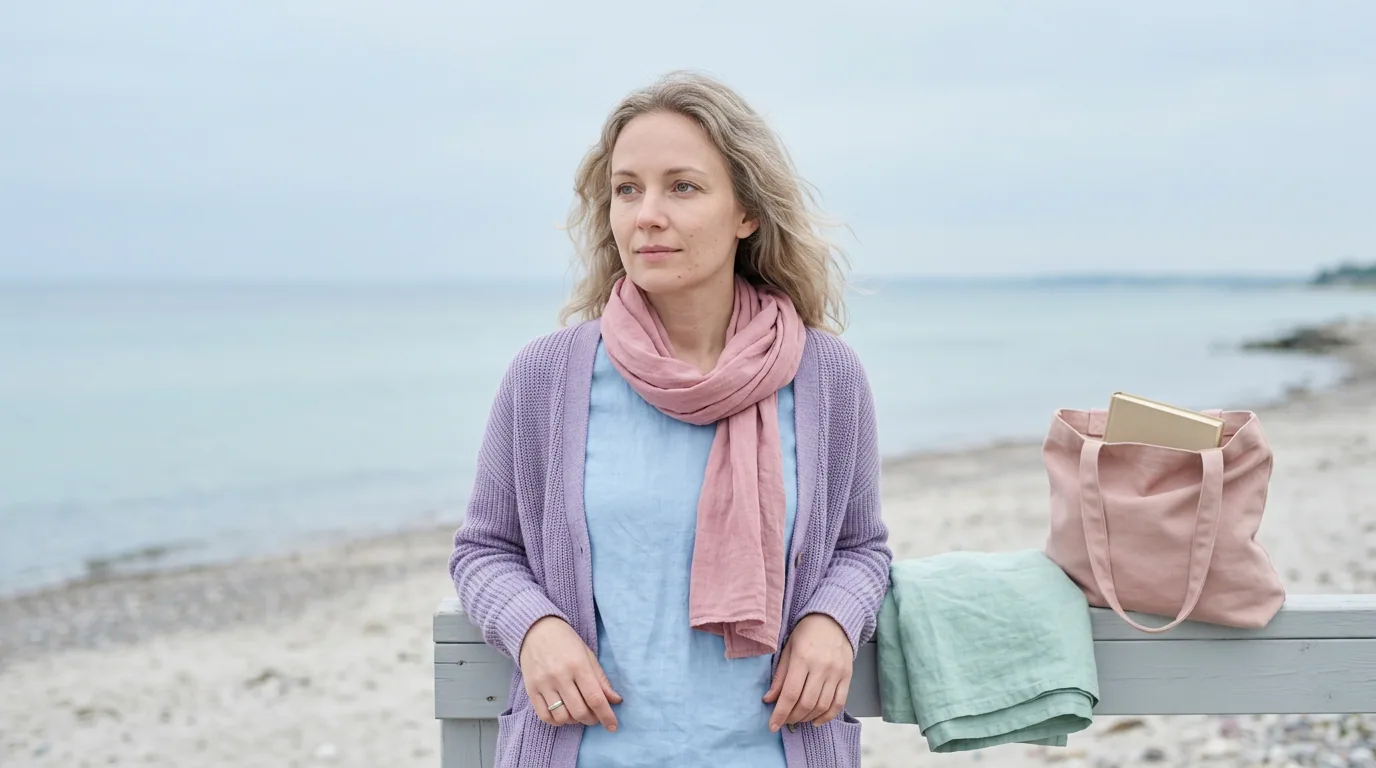
It’s neither, and it’s not lightness. The actual problem is almost always saturation or warmth sneaking into a color that looks pale on the hanger but reads strong once it’s against your skin. A light summer color palette solves this because every shade in it is chosen for softness first: cool undertone, very low contrast between your skin, hair and eyes, the visual equivalent of an overcast morning by the sea rather than a bright noon.
Light Summer sits inside the Summer family alongside True Summer and Soft Summer, and the three are easy to tell apart once you know what each one is actually built on. As the tri-season breakdown puts it: Light Summer is defined by lightness, True Summer by coolness, Soft Summer by mutedness. This guide is about the first of those, what genuinely light, cool, low-contrast coloring looks like, and the exact colors, jewelry and hair shades that work with it instead of against it.
Below you’ll find the full palette with hex codes, the traits that separate Light Summer from Light Spring and Soft Summer, real celebrity examples, and specific advice for hair, makeup and jewelry.
What Is a Light Summer Color Palette?
A light summer color palette is built around the lightest, softest coloring in the Summer family: cool, blue-based undertones and barely any contrast between skin, hair and eyes. If you have ever been told to “brighten up” with colors that ended up washing you out further, you were probably handed a Bright or True palette instead of the pale, muted one your coloring actually needs. Think of an overcast morning by the sea: soft gray light, no harsh shadows, nothing shouting for attention. That is the visual register Light Summer lives in.
The detail worth checking in the mirror right now: hold a light gray cardigan and a mustard sweater up under your chin in daylight. If the gray makes your face look calm and the mustard makes your skin look sallow or slightly gray itself, that is a cool-undertone signal consistent with Light Summer, not a warm season.
The season’s defining trait is lightness, not brightness. Depth and saturation are what work against Light Summer, not lightness itself, which is the exact opposite of how Bright Winter or Dark Autumn are built. Those seasons are defined by how saturated or how deep a color can go. Light Summer is defined by how pale and how cool it can stay. A color can be fairly vivid and still fail on this palette if it is too deep or too warm, and a color can be very pale and still fail if it tips warm, like a buttery ivory instead of a cool pearl white.
That framing matters because it explains why generic “Summer palette” advice so often misses. A True Summer can wear a clearer, more saturated blue than you can. A Soft Summer can wear a more muted, grayed-down version of a color that would look chalky and lifeless on you. Your palette has to stay pale and cool at the same time, which is a narrower lane than either neighbor.
Light Summer Skin, Hair and Eyes
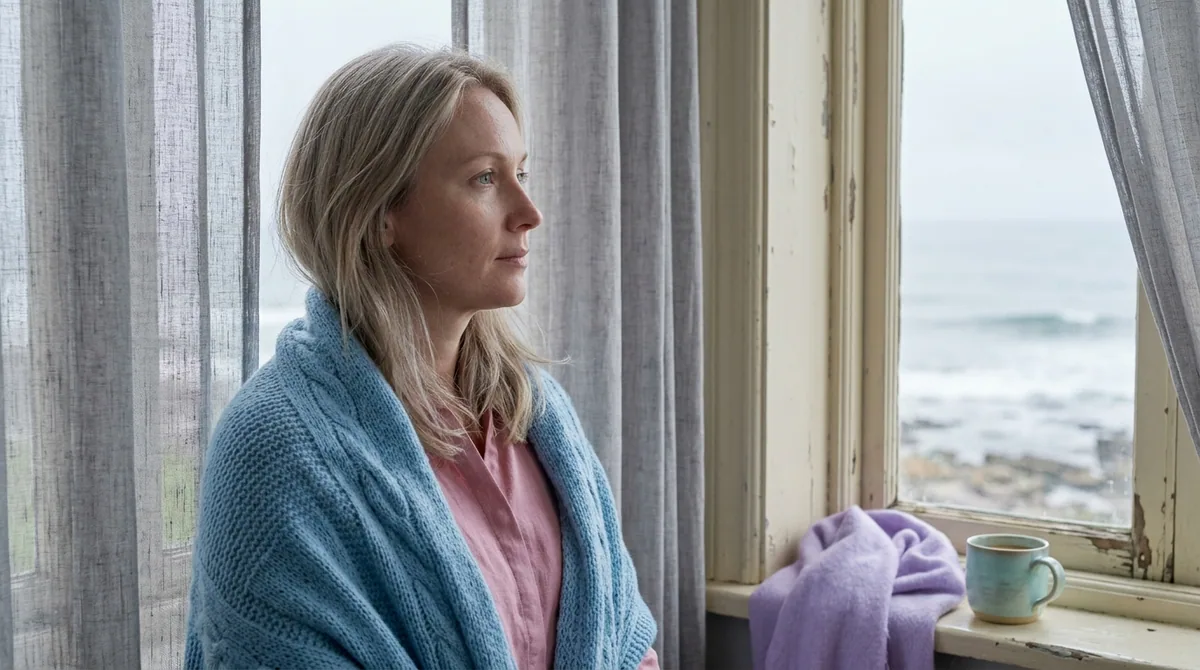
The single most reliable marker is low contrast: skin, hair and eyes all sit close together in lightness, so nothing on your face reads as the “dark feature” or the “bright feature.” If someone could describe your coloring in one word, that word is soft, not striking.
Skin
Fair to light-medium with a cool or neutral-cool undertone. Often carries a soft pink flush across the cheeks, especially after sun or wine. Burns before it tans, and rarely deepens much even with regular sun exposure.
Hair
Light ash blonde, light ash brown or soft mousy brown, sometimes softening into gray early. Reads dusty or smoky in daylight, never golden, honey or brassy. Box dye that leans warm tends to look wrong within weeks.
Eyes
Soft blue, gray-blue, soft green or light hazel. The color itself matters less than the quality: undersaturated and gentle rather than clear or sharply bright, closer to sea glass than to a jewel tone.
Try this at home: stand by a window in daylight, pull your hair back, and look at your skin, hair and eyes in a plain mirror without makeup. If you can find your eye color and your hair color in under two seconds because one clearly jumps out, you likely have more contrast than Light Summer allows. If you have to look twice because they blend into one soft, quiet impression, that low-contrast blur is the tell.
The Complete Light Summer Color Palette
These eight shades are the heart of the palette: every one of them is pale, cool or neutral-cool, and soft enough to sit quietly against low-contrast coloring instead of fighting it.
Core Light Summer Colors
Reach for these for the pieces closest to your face: tops, scarves, the sweater under a blazer.
Soft Rose
Gentle, cool-leaning pink
Powder Blue
Your easiest everyday color
Lavender
Soft statement without harshness
Pale Aqua
Cool, watery and light
Soft Mint
Fresh but never sharp
Blush Pink
Warms cheeks without warming skin
Cool Butter
Your only safe yellow
Sky Grey-Blue
Muted, medium-value and calm
Cool butter earns its place carefully. It is the one yellow that stays soft enough to avoid tipping into the golden, sunny tones that belong to Light Spring instead. Wear it away from your face, in a skirt or a bag, if you are not sure it is working.
A palette built only from pastels has no anchor for coats, trousers or bags, so this second grid does that quieter work.
Light Summer Neutrals
Build your basics on these four and every core color above will slot in without a fight.
Pearl White
Soft, never stark white
Dove Gray
Your everyday neutral
Cool Taupe
Muted stand-in for beige
Soft Navy
The closest thing to black
Use pearl white where other seasons reach for bright white, since true white is dense and cool enough to overpower this coloring the same way black does. Soft navy carries the weight of a coat or trouser suit without the starkness of black, and dove gray or cool taupe are safer than camel or warm beige for anything you want to wear near your face.
Colors That Flatter vs Colors to Avoid
The flatter side stays pale and cool at once, while the avoid side fails on depth, warmth, or both at the same time.
Colors That Flatter You
- Soft rose , the easy pink, cool and pale enough to wear daily
- Powder blue , your everyday neutral-adjacent color
- Lavender , a soft statement that never turns harsh
- Pale aqua , watery and light, easy near the face
- Sky grey-blue , medium value but still calm and cool
- Pearl white , soft enough not to overpower your coloring
Colors That Fight You
- True black , too deep and stark, it drains the face instead of framing it
- Bright orange , too warm and too saturated for low-contrast cool skin
- Mustard , warm and muddying, it pulls sallow tones out of your skin
- Rust brown , deep and warm at once, a double failure against pale coloring
- Warm beige , pulls yellow into your skin instead of sitting neutral against it
- Olive , muted but warm, so it dulls rather than softens
Every color on the flatter list is doing two things simultaneously: staying light in value and leaning cool or neutral in undertone. The moment a shade goes deep, like true black or rust brown, or goes warm and saturated, like bright orange or mustard, it breaks one half of that equation and starts working against you. A color can survive being slightly warm if it is very pale, or slightly deeper if it is still cool, but true black and rust brown fail on both counts, which is why they read as heavier mistakes than a merely-too-warm beige. Use that same two-part check on any shade not listed here: ask whether it stays pale enough and whether it stays cool enough, and if either answer is no, it belongs in your closet’s back row rather than your top drawer.
Light Summer vs Light Spring: How to Tell Them Apart
Both seasons are pale, both are low-to-medium in contrast, and both get described as “soft” in casual conversation, which is exactly why quizzes that only ask about lightness send so many Light Springs into the Summer camp and back again.
Light Summer
- Undertone: Cool, blue-based
- Best white: Soft dove white, never stark
- Hair: Ash blonde or soft gray
- Best pink: Cool blush pink
- Skin under warm light: Looks slightly gray or washed out
Light Spring
- Undertone: Warm, golden-based
- Best white: Ivory or cream
- Hair: Golden or strawberry blonde
- Best pink: Warm coral
- Skin under warm light: Looks brighter, comes alive
The self-test is the swatch-under-chin check with two competing pinks. Hold cool blush pink and a warm coral side by side under your chin in daylight, no makeup, near a window. If the cool blush pink makes your skin look clean and calm while the coral looks slightly loud or orange against you, you are reading as Light Summer. If the coral makes your skin glow and the cool pink looks flat or slightly bruised by comparison, that warmth is Light Spring’s undertone showing through, not Light Summer’s.
Light Summer Celebrities and Style Icons
Seeing the coloring on a familiar face makes it easier to trust your own mirror test. These three are commonly cited in color analysis circles as examples of the pale, cool, low-contrast look Light Summer describes, based on their visible coloring rather than any confirmed personal analysis.
Reese Witherspoon
Light ash blonde hair and soft blue eyes sit close in value to her fair, cool skin, which is the low-contrast blur that defines this season. Nothing about her coloring reads dark or saturated, even her eyebrows stay soft rather than sharp against her skin.
Gwyneth Paltrow
Fair, cool-leaning skin paired with light hair gives an overall gentle, almost washed-in-daylight quality rather than any single striking feature. The whole face reads as one quiet, even-toned impression instead of light hair against dark eyes or vice versa.
Emma Watson
Light brown hair with a visible ash undertone keeps her out of the golden or honey range entirely, and her eyes carry that same soft, cool cast rather than a clear, bright one. The effect stays gentle even in photos with strong studio lighting.
Light Summer Hair Color and Makeup
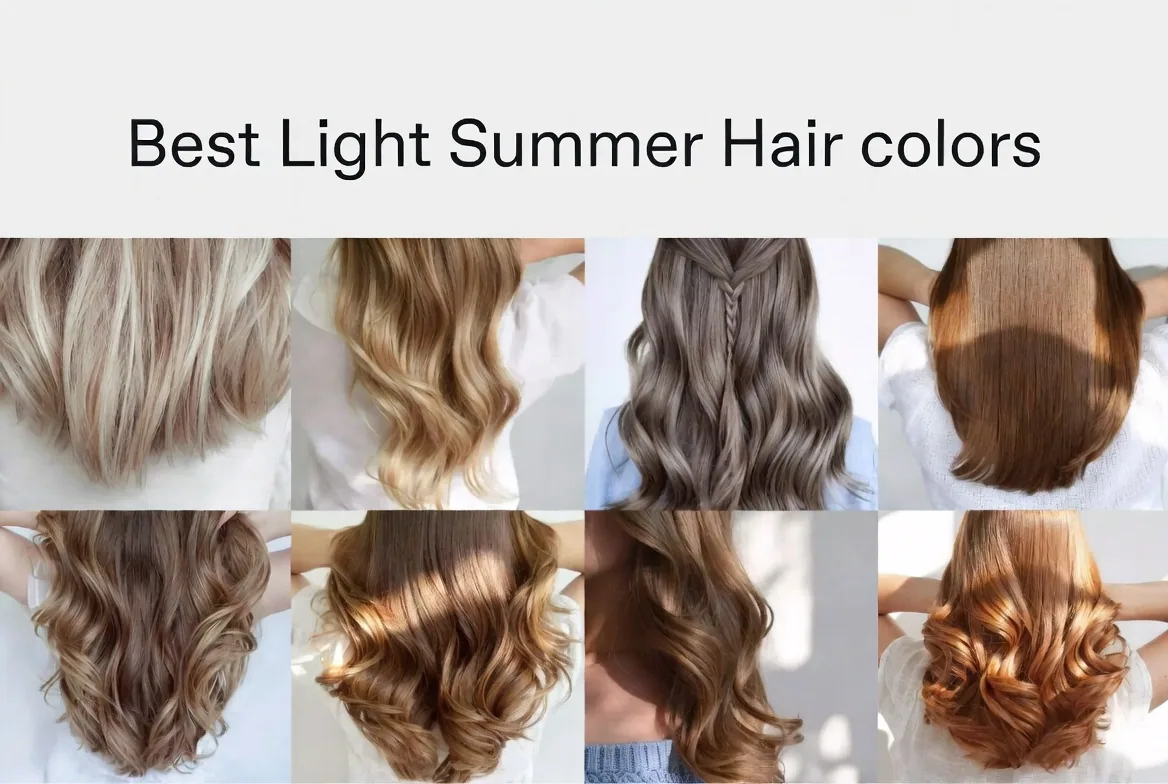
Every hair color that works for you shares one instruction for your colorist: cool, cool, cool. Ash blonde, light ash brown and soft mousy brown all keep the pigment on the gray-beige side of the wheel rather than the gold side, and if you are covering gray, a soft gray or gray-blended blonde reads more natural on you than a flat, opaque brown ever will. The test to bring into the salon is simple: ask to see the color swatch in daylight, not under salon lighting, and check whether it has any orange, red or yellow warmth hiding in it. If it does, it will fight your skin the same way a golden foundation would. What you are avoiding entirely is honey, caramel, golden blonde or jet black, all of which carry either warmth or depth your coloring can’t absorb.
Blush
Soft rose or cool pink, swept high on the cheekbone rather than contoured low, keeps the flush looking like your own coloring rather than added color.
Lips
Muted mauve-pink or soft berry, the kind of shade family you'd find in a lipstick literally named 'mauve' or 'dusty rose', works better than anything with orange or brick in it.
Eyes
Soft taupe, dove gray or a cool-toned rose-brown on the lid does the everyday work; save anything golden-brown or bronze for another season entirely.
Foundation matters as much as color choice here, and a warm or yellow-based formula will sit on your skin like a slight film no matter how well it’s blended. Look for words like “cool” or “porcelain” on the shade name, or check the formula against the inside of your wrist in daylight: if it looks orange or golden next to your skin rather than blending in, it’s the wrong undertone. For eyeliner, skip harsh black at the waterline if your coloring is very pale and low-contrast, it can look like a hard line drawn on top of a soft face. A soft charcoal or navy liner gives you definition without that stark break between liner and skin, the same logic that makes soft navy work better than true black in your closet.
Related Reading
- True Summer Color Palette Guide covers the cooler, more saturated sibling if your coloring reads more dramatic than delicate.
- Light Spring Color Analysis is worth a look if your undertone test leaned warm instead of cool.
- Soft Summer Color Palette Guide explains the muted third sibling for readers whose coloring feels blended rather than pale.
- Summer Color Palette Clothing breaks the tri-season Summer distinction down further with a full wardrobe walkthrough.
- Light Summer Color Analysis has the deeper pillar breakdown if you want more on this exact season before deciding.
- Season Guide is the place to start over if none of the three Summer types feel quite right yet.
FAQ – Light Summer Color Palette
What's the difference between Light Summer and Light Spring?
Can Light Summer wear black?
Is Light Summer rare?
What hair color suits Light Summer?
Does Light Summer wear gold or silver jewelry?
What is the Light Summer color palette?
How do I know if I'm Light Summer and not True Summer or Soft Summer?
What makeup colors suit Light Summer?
Discover Your Best Colors
Take a quick quiz and get AI-powered seasonal color analysis with personalized recommendations.