
Liv Tyler
Winter Season
Cool Winter Color Analysis: Icy & Striking
Cool Winter is the purest expression of coolness in the Winter family — sometimes called True Winter. Not a trace of warmth appears in your coloring, and your palette is built from blue-based jewel tones and icy brights: true fuchsia, royal blue, emerald, and icy aqua. Warm earth tones are the one thing that consistently works against you.
See myself in Cool Winter colorsNot sure you're a Cool Winter? Take the free quiz →
Cool Winter Colors
Cool Winter colors are blue-based, clear, and saturated. Icy pastels and true jewel tones both work — what matters is that nothing is muddied with warmth.
True Fuchsia
Your signature shade
Royal Blue
Vivid and clear
Emerald
Cool jewel tone
True Violet
Rich and cool
Icy Aqua
Frosted and light
Icy Orchid
Your softest accent
Deep Navy
Your best dark
Pure White
Crisp and clean
What Works on Cool Winter
The shades that make your skin look even and rested — and the ones that quietly work against you.
Colors That Flatter
- True fuchsia and cool magenta
- Royal and cobalt blues
- Emerald and cool jade greens
- True violet and cool purple
- Icy pastels — aqua, orchid, and frosted pink
- Pure white and true black as high-contrast neutrals
Colors to Avoid
- Rust, terracotta, and warm earth oranges
- Camel, tan, and golden browns
- Mustard and golden yellows
- Warm peach and coral tones
- Muted sage and dusty warm greens
- Dusty warm-leaning pinks
Celebrity Cool Winters
Style icons who share your color season.
Elizabeth Taylor
Lucy Liu
Aishwarya Rai
Think you might be a Cool Winter?
One photo is all it takes. Get your exact type, your full palette, and see the colors on your own face.
Take the free quizCool Winter Physical Characteristics
Cool Winter coloring is clear and cool, with a visible gap between hair, skin, and eyes.
Eyes
Light brown, cool hazel, blue, or icy grey, usually with a sharply defined ring around the iris that contributes to your contrast.
Skin
Olive, or fair to medium with cool pink or blue undertones. Cool Winter skin looks noticeably better beside pure white than beside cream.
Hair
Ashy blonde, dark brown, black, or cool ash brown. There is no golden or coppery cast even in the lighter shades.
Common Cool Winter eye colors
 Deep Blue
  Deep Brown
 Common Cool Winter hair colors
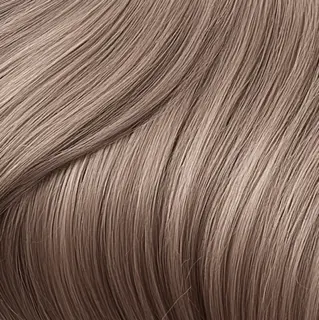 Ash Blonde
 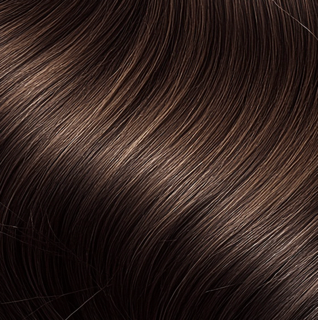 Dark Brown
 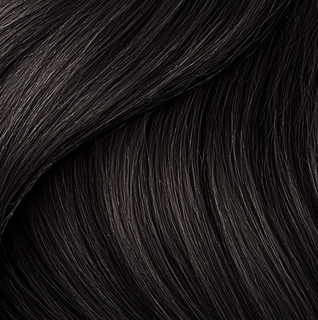 Jet Black
 Cool Winter vs Cool Summer
Both are firmly cool and both wear silver rather than gold, so undertone tests will not separate them.
Saturation is the tie-breaker. Cool Winter needs pure, vivid color — true fuchsia and royal blue look powerful on you. Cool Summer needs those same hues softened into raspberry and dusty teal. If a bright saturated shade makes your features look sharper rather than overwhelmed, you are Cool Winter.
See the Cool Summer paletteFrequently Asked Questions
What's the difference between Cool Winter and Cool Summer?
Both are cool, so the difference is saturation rather than undertone. Cool Winter suits pure, vivid color — true fuchsia, royal blue, emerald — and can wear pure black and white. Cool Summer needs those hues softened into raspberry, dusty teal, and slate. If bright colors energise your face rather than overpower it, you are Cool Winter.
Can Cool Winters wear black?
Yes — Cool Winter is one of the few seasons for which black is genuinely a best color. Your natural contrast matches its intensity, so black sharpens your features rather than flattening them. Pair it with pure white or an icy accent for maximum effect. The only caution is that all-black can read as severe; a fuchsia or emerald accent near the face softens it.
What makeup colors are best for Cool Winter?
Cool and saturated. Cool pink or plum blush, lipsticks in true red with a blue base, fuchsia, and deep berry, and eye shadows in charcoal, cool plum, navy, and icy silver. Avoid coral, bronze, warm brown, and golden shimmer entirely. A cool or neutral-cool foundation is essential — a golden one will look orange against your skin.
Should Cool Winters wear gold or silver jewelry?
Silver, white gold, and platinum. All three mirror the cool clarity of your coloring and look crisp against your skin. Yellow gold reads brassy and out of place. High-shine finishes suit you better than brushed or antiqued ones. Ruby, sapphire, emerald, and diamond are ideal stones, since their saturation matches your palette.
What hair colors suit Cool Winter?
Cool and either dark or genuinely ash: dark brown, blue-black, cool espresso, and ash blonde at the light end. Avoid every warm tone — golden, honey, caramel, copper, and auburn all clash with your undertone and can make clear skin look sallow. If you highlight, keep the tones ashy rather than golden.
Can Cool Winters wear white?
Yes, and pure optic white is genuinely one of your best colors. The cool blue cast that makes brilliant white difficult for warm seasons is exactly what makes it work on you. Cream and ivory are the ones to avoid — they look slightly dingy against cool skin.
What colors should Cool Winter avoid for interviews?
Avoid camel, beige, brown, and olive — warm neutrals are the standard business colors most likely to make you look tired. Charcoal, true black, or a cool navy suit with a crisp white shirt is your strongest professional combination, and it happens to be the most conventional one too.
Is Cool Winter a rare color season?
Cool Winter is not rare, but it is often confused with Cool Summer by people who have cool coloring but assume they cannot "pull off" bright color. If saturated jewel tones make your face look sharper and clearer rather than swamped, Winter rather than Summer is the right answer.
How reliable is seasonal color analysis?
Seasonal color analysis is a well-established framework rather than an exact science. Its three underlying dimensions, undertone, value, and chroma, are measurable properties of color, and the effect of a flattering shade on skin is genuinely visible. What varies is the judgement call: analysts can disagree on borderline cases, and lighting quality changes what you see. Treat your season as a reliable starting point that saves you from the worst mistakes, not as an unbreakable rule.
Why has seasonal color analysis become a global trend?
The system went mainstream with Carole Jackson's 1980 book Color Me Beautiful, faded, and then returned through social media, where before-and-after draping videos show the effect in seconds. It has also been boosted by the rise of considered, smaller wardrobes: knowing your palette means fewer impulse purchases and more items that actually work together. In South Korea in particular, personal color consulting became a mainstream service, and that popularity spread outward.
What is the science behind the four color seasons?
The four seasons map onto how light reflects off your skin. Skin contains melanin (yellow to brown), haemoglobin (red to blue), and carotene (yellow to orange), and the balance between them creates your undertone. A color worn near your face bounces light back onto your skin: a harmonious shade reinforces your natural tones and evens them out, while a clashing shade emphasises the contrast and highlights shadows, redness, and yellowness. The seasonal framework simply organises this effect into palettes that are easy to shop.
See yourself in Cool Winter colors
Upload one photo and get your complete Cool Winter palette, makeup shades, and color combinations — then preview yourself in a photoshoot, new hair color, or makeup on your real face.
Get my color analysis