Amanda Seyfried
Spring Season
Light Spring Color Analysis: Fresh & Delicate
Light Spring is the lightest and most delicate of the three Spring types. Warm golden undertones meet low contrast between hair, skin, and eyes, so the colors that suit you are soft but never dusty: peach, warm coral, butter yellow, and fresh spring green. Think of the first blooms of the season rather than high summer.
See myself in Light Spring colorsNot sure you're a Light Spring? Take the free quiz →
Light Spring Colors
Light Spring colors are warm, light, and clear. Worn near your face they lift your complexion without ever overpowering your delicate coloring.
Soft Peach
Your signature shade
Light Coral
Warm and gentle
Butter Yellow
Sunny, never harsh
Spring Mint
Fresh and airy
Light Turquoise
Clear and bright
Warm Sky Blue
Soft with warmth
Warm Pink
Playful and light
Light Lilac
Your softest accent
What Works on Light Spring
The shades that make your skin look even and rested — and the ones that quietly work against you.
Colors That Flatter
- Warm peaches and soft corals, the heart of your palette
- Light warm greens like mint, sage, and new leaf
- Soft golden yellows and butter tones
- Warm light blues like aqua and turquoise
- Creamy ivory and warm whites instead of stark white
- Light warm pinks and apricot for a fresh flush
Colors to Avoid
- Black and charcoal — far too heavy beside your face
- Cool icy blues and deep navy, which drain your warmth
- Saturated burnt orange and other overpowering brights
- Dark, heavy Autumn tones like burgundy and oxblood
- Pure white, which reads stark against warm ivory skin
- Cool greys and silvered slate tones
Celebrity Light Springs
Style icons who share your color season.
Scarlett Johansson
Kate Hudson
Léa Seydoux
Think you might be a Light Spring?
One photo is all it takes. Get your exact type, your full palette, and see the colors on your own face.
Take the free quizLight Spring Physical Characteristics
Light Spring coloring is delicate and low-contrast: everything about you sits in the lighter half of the scale, with warmth running through it.
Eyes
Light blue, clear green, light hazel, or light brown, usually with a soft golden fleck around the pupil and a gentle rather than sharp edge to the iris.
Skin
Fair with warm peachy undertones. Light Spring skin often freckles in the sun and looks noticeably healthier against cream than against optic white.
Hair
Light golden blonde, strawberry blonde, or medium golden brown. It lightens easily in the sun and rarely reads ashy in daylight.
Common Light Spring eye colors
 Light Blue
  Soft Green
  Hazel Brown
 Common Light Spring hair colors
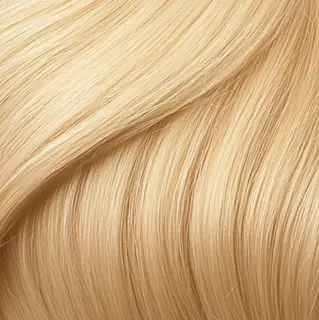 Light Blonde
 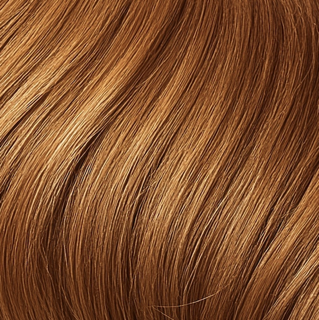 Strawberry Blonde
 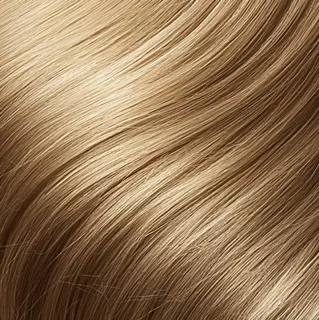 Honey Blonde
 Light Spring vs Light Summer
Both are light, delicate, and low in contrast, which is why they are the two most frequently confused types in the whole system.
Undertone settles it. Light Spring is warm: peach, coral, and butter yellow make your skin glow. Light Summer is cool: those same shades turn Light Summer skin sallow, while dusty rose and powder blue bring it to life. Hold a peach fabric and a dusty pink fabric side by side under daylight and the difference is usually obvious in seconds.
See the Light Summer paletteFrequently Asked Questions
What's the difference between Light Spring and Light Summer?
Both are light and low-contrast, so the difference is undertone rather than depth. Light Spring is warm and golden: peach, coral, and butter yellow are flattering. Light Summer is cool: dusty rose, powder blue, and soft lavender work instead. A quick test is warm ivory against pure soft white — Light Springs look healthier in ivory, Light Summers in the cooler white.
Can Light Springs wear black?
Black is the single least flattering color for Light Spring. Your coloring is light and low-contrast, so black creates a jarring gap that drags shadows into your face and makes you look tired. If you need a dark neutral, use warm chocolate brown, soft camel, or a light warm grey instead. If an outfit has to be black, keep it below the waist and put a peach, coral, or ivory layer near your face.
What makeup colors are best for Light Spring?
Keep everything soft and warm. Peachy-pink or coral blush, warm nude and apricot lipsticks, and light warm browns or soft golds on the eyes. Avoid blue-based reds, deep berry lips, and cool taupe or grey shadow — they all read as too heavy against light warm coloring. A warm-toned foundation with a peach undertone will blend far better than a neutral or pink-based one.
Should Light Springs wear gold or silver jewelry?
Gold, and specifically light or yellow gold rather than heavy antiqued gold. Rose gold is an excellent second choice because its warmth matches your peachy undertone. Silver and platinum tend to look cold and slightly harsh against Light Spring skin. Keep pieces fine and delicate — chunky statement jewelry can overwhelm your naturally light coloring.
What hair colors suit Light Spring?
Stay within the warm, light range: golden blonde, honey, strawberry blonde, and light golden brown all work beautifully. Avoid ash blonde, cool platinum, and anything darker than a medium golden brown — going too dark breaks the low contrast that defines your coloring and can make your features look washed out by comparison. Warm highlights are usually more flattering than an all-over color change.
Can Light Springs wear white?
Warm white, yes; optic white, no. Cream, ivory, and warm off-white harmonise with your golden undertone and make excellent base layers. Pure brilliant white has a cool blue cast that reads stark and slightly clinical next to peachy skin. If you own a white shirt that feels wrong on you, the undertone is almost certainly the reason.
What colors should Light Spring avoid for interviews?
Skip the default black or charcoal suit — it will overwhelm you. A warm navy, soft camel, or light warm grey reads just as professional and works with your coloring instead of against it. Pair it with an ivory or soft peach top near the face. If the setting is conservative, warm navy is your safest polished choice.
Is Light Spring a rare color season?
Light Spring is relatively uncommon, mainly because it needs light coloring and warm undertones together — a combination that is less frequent than light-and-cool. It is also frequently misdiagnosed as Light Summer, so the number of people who believe they are Light Spring is smaller than the number who actually are. Undertone, not hair color, is what settles it.
How reliable is seasonal color analysis?
Seasonal color analysis is a well-established framework rather than an exact science. Its three underlying dimensions, undertone, value, and chroma, are measurable properties of color, and the effect of a flattering shade on skin is genuinely visible. What varies is the judgement call: analysts can disagree on borderline cases, and lighting quality changes what you see. Treat your season as a reliable starting point that saves you from the worst mistakes, not as an unbreakable rule.
Why has seasonal color analysis become a global trend?
The system went mainstream with Carole Jackson's 1980 book Color Me Beautiful, faded, and then returned through social media, where before-and-after draping videos show the effect in seconds. It has also been boosted by the rise of considered, smaller wardrobes: knowing your palette means fewer impulse purchases and more items that actually work together. In South Korea in particular, personal color consulting became a mainstream service, and that popularity spread outward.
What is the science behind the four color seasons?
The four seasons map onto how light reflects off your skin. Skin contains melanin (yellow to brown), haemoglobin (red to blue), and carotene (yellow to orange), and the balance between them creates your undertone. A color worn near your face bounces light back onto your skin: a harmonious shade reinforces your natural tones and evens them out, while a clashing shade emphasises the contrast and highlights shadows, redness, and yellowness. The seasonal framework simply organises this effect into palettes that are easy to shop.
See yourself in Light Spring colors
Upload one photo and get your complete Light Spring palette, makeup shades, and color combinations — then preview yourself in a photoshoot, new hair color, or makeup on your real face.
Get my color analysis